
Nikah Khawan & Qazi Services in Pakistan: Karachi, Lahore, Islamabad & Rawalpindi
Updated: 10 September 2026
Need a Nikah Khawan or Qazi in Pakistan for a lawful, dignified and properly documented Nikah? Court Marriage coordinates Nikah solemnisation and marriage-documentation support in Karachi, Lahore, Islamabad, Rawalpindi and other major cities, subject to legal eligibility, identity verification and local registration requirements.
A Nikah Khawan conducts the religious solemnisation of the marriage. A Nikah Registrar, by contrast, is the person licensed by the competent Union Council for the statutory registration function. Sometimes the same individual may perform both roles, but the roles are legally distinct. This page is therefore focused on finding and arranging a Nikah Khawan/Qazi; our separate Nikah Registrar in Pakistan guide explains the registration office and licensing framework.
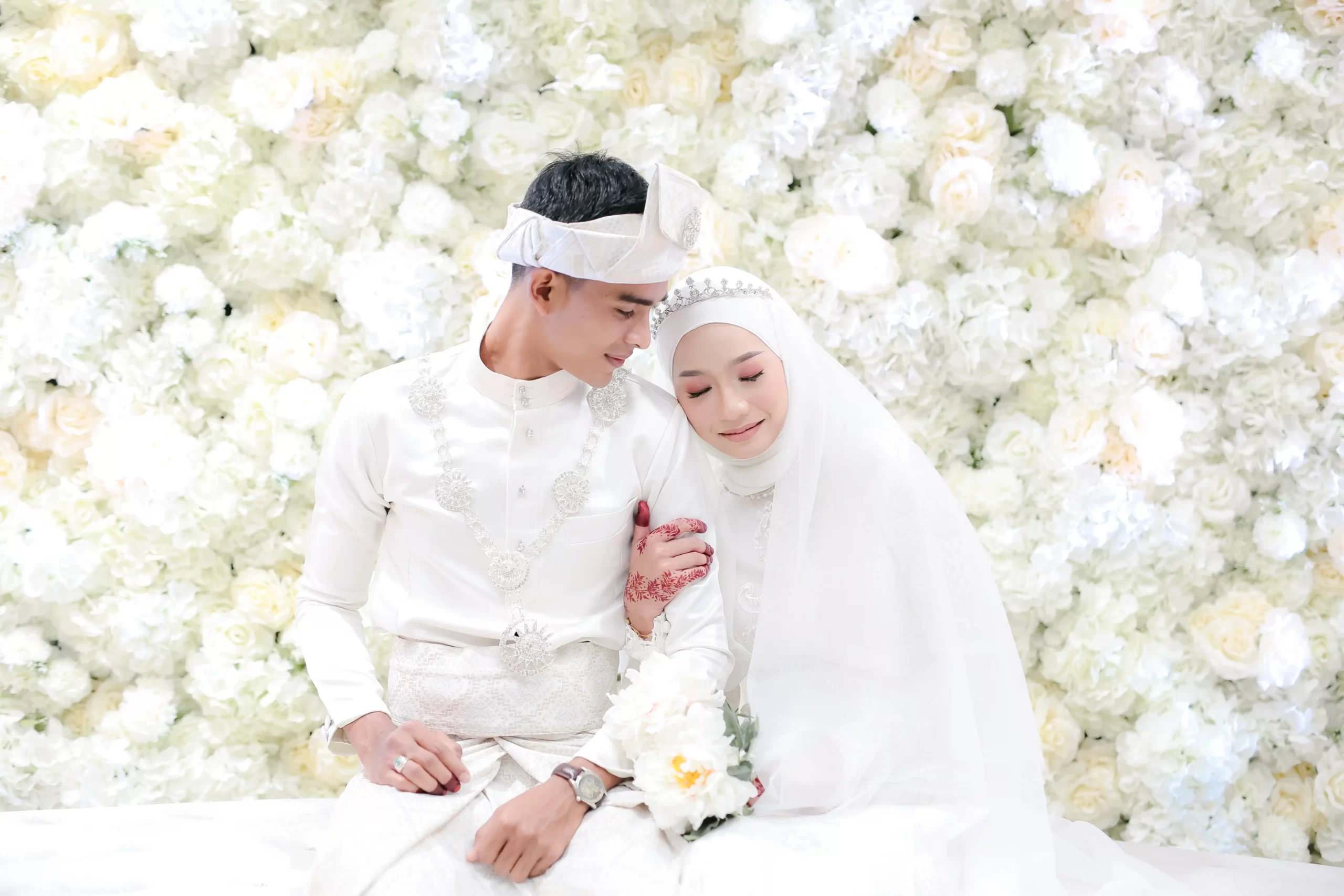
What Does a Nikah Khawan or Qazi Do?
In ordinary usage, a Nikah Khawan or Qazi is the person who conducts the Nikah ceremony, confirms the parties’ willingness to marry, carries out the Ijab-o-Qabool (offer and acceptance) in accordance with the applicable Muslim personal law, and helps ensure that the Nikah Nama is completed for the marriage-registration process.
The religious solemnisation and the statutory registration should not be confused. Section 5 of the Muslim Family Laws Ordinance, 1961 requires every marriage solemnised under Muslim law to be registered. It also expressly recognises that a marriage may be solemnised by someone other than the licensed Nikah Registrar; in that situation, the person who solemnised the marriage must report it to the Nikah Registrar for registration in accordance with the law.
Nikah Khawan vs Nikah Registrar: What Is the Difference?
| Role | Nikah Khawan / Qazi | Nikah Registrar |
|---|---|---|
| Primary function | Solemnises the Nikah | Performs the statutory registration function |
| Union Council licence | Not every person competent to solemnise a Nikah is necessarily a licensed Registrar | Licensed by the competent Union Council under the applicable framework |
| Religious ceremony | Usually conducts Ijab-o-Qabool and related Nikah formalities | May also solemnise the Nikah if competent and engaged to do so |
| Registration record | Must ensure a marriage not solemnised by the Registrar is reported for registration | Maintains/registers the prescribed Nikah record within the lawful jurisdiction |
Our Nikah Khawan Services in Pakistan
We coordinate Nikah services for eligible couples who want the ceremony at a family residence, wedding venue, mosque, office or another suitable place. Availability depends on city, date, venue, religious requirements and the documents of the bride and groom.
Simple Nikah at Our Office
Couples who prefer a private and straightforward Nikah can arrange the solemnisation at an office location, subject to prior document review. This option is commonly used by couples who want minimal ceremony while still ensuring that their Nikah Nama and registration steps are handled properly.
Nikah Khawan at Home or Wedding Venue
A Nikah Khawan/Qazi may attend a home, hall or other venue where available. Travel, timing and venue charges can vary by location, so these should be confirmed before the booking rather than treated as a fixed nationwide fee.
Online or Remote Nikah Coordination
Where one or both parties are in different cities or countries, remote coordination and a properly documented vakil/proxy arrangement may be possible depending on the facts, the applicable Muslim personal law and the registration procedure. Online communication does not remove the need for legal capacity, free consent, reliable identity verification, proper solemnisation and marriage registration.
For remote cases, see our detailed Online Nikah in Pakistan guide.
Sunni and Shia Nikah: Avoid One-Size-Fits-All Claims
Nikah requirements are not identical across every school of Islamic jurisprudence. In particular, questions concerning witnesses, wali/guardian participation, recitation and form can differ between Sunni and Shia schools and among individual juristic views. We therefore do not describe one ceremony format as a universal requirement for every Muslim couple.
Before a Shia or school-specific Nikah is arranged, the couple’s requirements should be identified in advance so that the appropriate religious officiant and registration documentation can be coordinated. For a broader explanation, see our Shia and Sunni Nikah comparison.
Documents Commonly Needed for Nikah
Exact requirements vary by city and circumstances, but the parties should normally be ready to provide reliable identity and age documents such as CNIC, NICOP or passport details. Witness identity information may also be required for completion and registration of the Nikah Nama.
If either party was previously married, the relevant proof of divorce, Khula/dissolution or death of the former spouse should be reviewed before solemnisation. If a Muslim man already has a subsisting marriage, section 6 of the Muslim Family Laws Ordinance, 1961 and the Arbitration Council framework must also be considered.
Legal Age Must Be Verified Before the Nikah
A Nikah Khawan or Qazi should not be used to bypass child-marriage law. Marriage-age rules depend upon the applicable jurisdiction. Punjab, Sindh, Islamabad Capital Territory and Balochistan currently prescribe 18 as the minimum age for both parties. Any case involving another jurisdiction or unusual facts should be checked against the law currently in force before the ceremony is arranged.
See our updated legal age for marriage in Pakistan page for the jurisdiction-by-jurisdiction position.
Nikah Nama Preparation and Registration Coordination
A properly solemnised Nikah should be followed by accurate completion and registration of the prescribed Nikah Nama. Names, CNIC numbers, ages, addresses, Mahr terms and any agreed special conditions should be checked carefully before signatures are obtained.
Under section 5 of the Muslim Family Laws Ordinance, 1961, Muslim marriages are to be registered. The West Pakistan Rules under the Ordinance provide the licensing framework for Nikah Registrars. Our role is to coordinate the solemnisation and documentation and, where required, connect the case with the competent registration process. We do not represent a private Nikah Khawan as a government authority merely because he has solemnised a marriage.
Nikah Khawan Services by City
Nikah Khawan in Karachi
Karachi Nikah arrangements can be coordinated for office, home and venue ceremonies, subject to Sindh marriage-age law, document verification and the registration practice of the competent local authority. For related city-specific services, see Online Nikah in Karachi.
Nikah Khawan in Lahore
Lahore cases are handled under the current Punjab legal framework. Nikah solemnisation, documentation and later local registration should be treated as connected but distinct steps. See our Lahore Nikah services.
Nikah Khawan in Islamabad
For Islamabad Capital Territory, we coordinate Nikah Khawan arrangements and legal documentation according to the couple’s circumstances and the local registration procedure. See the dedicated Nikah Khawan in Islamabad page.
Nikah Khawan in Rawalpindi
Rawalpindi falls within Punjab, so the Punjab marriage-age framework and local registration procedure apply. See our Rawalpindi Nikah services.
How Much Does a Nikah Khawan Cost?
There is no single statutory nationwide “Nikah Khawan fee”. Professional/officiant charges can vary according to city, venue, travel, timing, ceremony requirements, documentation work and whether additional registration assistance is requested. Government or local-authority charges, where applicable, should be distinguished from a private professional service fee.
For current Karachi service-package information, see Nikah Khawan fees in Karachi. For another city, obtain a current quotation before confirming the appointment.
Why Use a Properly Coordinated Nikah Service?
The practical value is not simply having someone recite the Nikah. A properly coordinated service checks identity and age, identifies previous-marriage issues, clarifies the religious format, prepares the Nikah Nama accurately, and ensures that registration responsibility is not overlooked. These steps reduce later disputes and documentation problems affecting marital status, inheritance, maintenance, immigration or civil records.
Frequently Asked Questions
Is a Nikah Khawan the same as a Nikah Registrar?
No. A Nikah Khawan/Qazi ordinarily solemnises the marriage. A Nikah Registrar is licensed for the statutory registration function. One person may sometimes perform both roles, but they should not be treated as legally identical.
Does every Nikah Khawan need a Union Council licence?
The statutory licence under section 5 is specifically for a Nikah Registrar. The Ordinance also recognises marriages solemnised by someone other than the Nikah Registrar and requires such a marriage to be reported to the Registrar for registration.
Can a Qazi perform Nikah at home?
Yes, subject to availability and the parties satisfying the applicable religious and legal requirements. The ceremony venue does not remove the need for proper marriage documentation and registration.
Can we arrange a Nikah Khawan for a simple office Nikah?
Yes. Eligible couples may arrange a simple Nikah at an office location after their identity, age and marital-status documents have been reviewed.
Can a Nikah be conducted if one party is overseas?
Depending on the facts, a remote or vakil/proxy arrangement may be possible. The authority of the representative, consent, identity, religious requirements and local registration procedure should all be checked before proceeding.
Are two witnesses always required in every Sunni and Shia Nikah?
Witness rules differ between schools of Islamic jurisprudence. It is inaccurate to impose one formula on every Sunni and Shia marriage. The appropriate religious requirements and the documentary needs of the registrar should be confirmed for the particular case.
Who issues the computerised marriage certificate after Nikah?
The Nikah itself and the computerised civil marriage certificate are separate stages. After lawful registration through the competent Nikah Registrar/local authority, a Marriage Registration Certificate may be obtained under the applicable local procedure. NADRA provides civil-registration technology but should not be described as the person who solemnises or directly registers the Nikah.
Book a Nikah Khawan or Qazi
For a Nikah in Karachi, Lahore, Islamabad, Rawalpindi or another major Pakistani city, contact the relevant Court Marriage office through our contact page. Please provide the city, proposed date, whether both parties will attend personally, and whether either party was previously married or is currently overseas.
Reviewed for Court-Marriage.com by Mohsin Ali Shah, Advocate, Chairman Qanoon Group, practising law in Pakistan since 1985.
This page provides general legal information. Religious requirements may differ between schools and individual circumstances; statutory requirements depend upon the law and registration procedure applicable to the case.